Pakistan announces record fuel price hike as global tensions rise
Pakistan raises petrol price by PKR 55 per litre amid Middle East conflict
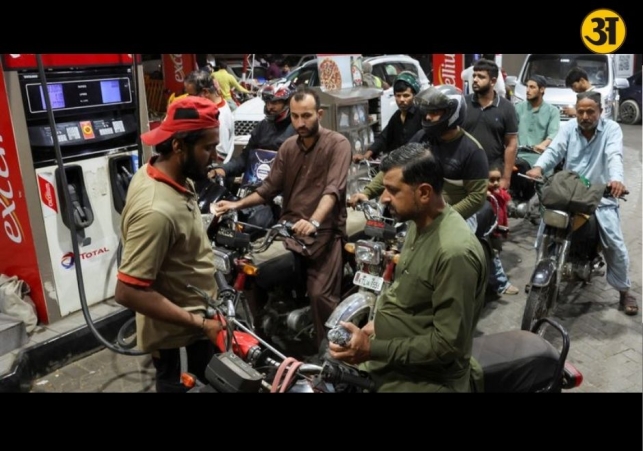
Pakistan has announced a sharp increase in fuel prices, raising petrol and high-speed diesel by PKR 55 per litre. The decision, described as the biggest increase ever in the country, comes as global oil markets face uncertainty due to the ongoing conflict in West Asia. The war-like situation in the region has disrupted energy supply routes and pushed governments to prepare for possible shortages.
The Pakistani government made the announcement late at night during a press conference. Petroleum Minister Ali Pervaiz Malik spoke alongside Deputy Prime Minister and Foreign Minister Ishaq Dar and Finance Minister Muhammad Aurangzeb. They said the decision was necessary because global oil prices had become unstable after tensions escalated in the Middle East.
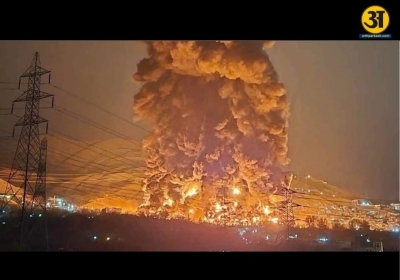
The conflict intensified after recent military strikes involving the United States, Israel and Iran. The situation has affected energy supplies passing through key routes in the region. Many countries that depend on imported oil are now facing rising costs and uncertainty about future supply.
New fuel prices announced
After the increase, the ex-depot price of petrol in Pakistan has risen to PKR 321.17 per litre. Earlier, petrol was priced at PKR 266.17 per litre. This means petrol prices have increased by about 17 percent in a single move.
High-speed diesel prices have also been increased significantly. The new price of diesel is PKR 335.86 per litre, compared to the previous price of PKR 280.86 per litre. This is roughly a 20 percent jump.
The government said these new prices will remain in effect for the coming week. Officials explained that they may review fuel prices every week depending on changes in the international oil market.
Petroleum Minister Ali Pervaiz Malik said the Middle East conflict has created serious uncertainty for energy supplies across the region. According to him, the situation is unpredictable and it is difficult to say how long the crisis will continue.
He said the crisis started in a neighbouring region but has now spread across the wider area. Because of this, oil supply routes and shipping systems have been affected, leading to higher global prices.
The minister stressed that Pakistan still has enough petroleum reserves to meet its immediate needs. However, the government decided to increase prices in order to manage the rising cost of imported oil and maintain stable supply.
ALSO READ: Jaishankar speaks with Iran and Oman as India pushes for diplomacy in Middle East crisis
ALSO READ: Iran warns US after warship Iris Dena sunk in Indian Ocean, 87 killed
Government response and supply concerns
Pakistan depends heavily on imported oil, and a large part of its supplies travel through the Strait of Hormuz. This narrow waterway in the Middle East is one of the world’s most important oil shipping routes. Any conflict or military activity in the region can disrupt tanker movement and create supply risks.
Malik said the government is closely monitoring the supply situation. He also warned businesses and traders not to create artificial shortages by hoarding fuel.
According to him, authorities will take strict action against anyone found storing petrol or diesel illegally in order to raise prices or create panic in the market. The government wants to make sure that petrol pumps continue to receive supplies and that citizens do not face sudden shortages.
The minister also revealed that two Pakistani oil vessels are currently travelling through alternative shipping routes to ensure that fuel shipments reach the country safely.
Earlier, the government had considered implementing a national action plan to deal with a possible fuel crisis. Some of the proposed measures included encouraging work from home and introducing distance learning in schools and universities to reduce fuel consumption.
However, officials later decided not to enforce those measures immediately. The government said normal daily activities will continue for at least one week while authorities monitor the situation.
This approach is meant to avoid panic among citizens and businesses while giving the government time to assess the global energy market.
Finance Minister Muhammad Aurangzeb also said the government understands that the sudden price increase will affect people and businesses. Higher fuel prices often lead to increased transportation costs, which can then raise prices of food and other essential goods.
However, he said the government had limited options because the international market determines the cost of imported oil. If global prices rise sharply, countries that rely on imports must adjust domestic prices to maintain supply.
Officials said they will continue reviewing global oil trends and will reduce fuel prices if the international situation improves. Malik said that if the market stabilises, the government will bring down prices at the same speed at which they were raised.
The government’s main focus, he added, is to ensure that Pakistan does not face a fuel shortage during this period of global tension.
For now, authorities are urging people not to panic. They say the country has sufficient reserves and that new shipments are on the way. However, the situation will depend largely on how the conflict in the Middle East develops in the coming days.
Energy markets around the world are watching the region closely, as any further escalation could affect global oil supply and push fuel prices even higher.
Related News